
SCBM 2026 First Half Annual Expert Technical Seminar Successfully Held
Publish time:2026-07-31 Author:SCBM Column:Company News
On the afternoon of July 26, 2026, the SCBM 2026 First Half Annual Expert Technical Seminar was successfully held at Guangzhou South China Biological Medicine Co., Ltd. The seminar specially invited experts including Professors Zeng Zhenling, Zhang Xiquan, Tang Zhaoxin, Guo Xiaofeng, and Cao Weisheng, as well as Dr. Wang Youling from South China Agricultural University; Professors Huang Shujian and Zhang Jipei from Foshan University; Researcher Sun Minhua from the Institute of Animal Health, Guangdong Academy of Agricultural Sciences; and General Manager Zhan Xun from Guangdong Hua Nong Zheng Da Poultry Industry Co., Ltd. They engaged in in-depth discussions with SCBM's General Manager, Professor Luo Kaijian; Mr. Wang Jiaxiao, Head of the SCBM Business Unit; Vice General Manager Mr. Zhao Yulong; Dr. Ye Hejia, Deputy Dean of the Research Institute; Mr. Zhang Guozhi, Head of SCBM's KACBU; and Technical Director Mr. Hao Jianyong. The core topics included the current status of major poultry disease epidemics, challenges in prevention and control, and innovative vaccine development, aiming to pool collective wisdom and discuss effective strategies for the scientific prevention and control of livestock and poultry diseases and the iterative upgrading of veterinary biologics.
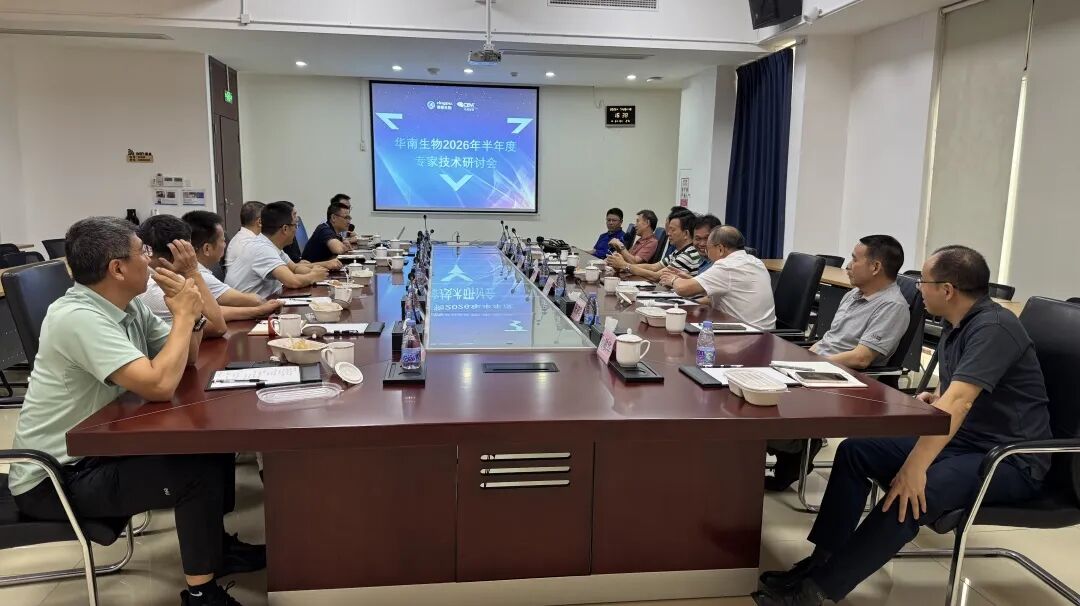
▌ Business Review: Charting the Course for High-Quality Enterprise Development
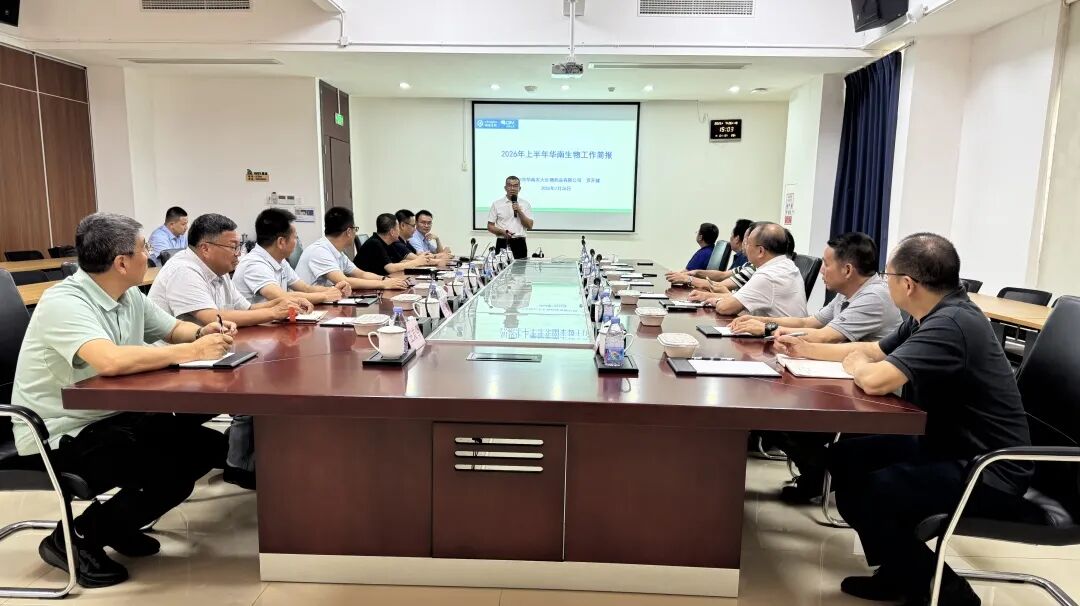
To open the seminar, SCBM's General Manager, Professor Luo Kaijian, delivered a thematic presentation titled "SCBM's Business Performance in the First Half of 2026." The report comprehensively reviewed the company's achievements in production operations, market layout, and scientific research during the first half of the year, objectively assessing the company's current developmental advantages and R&D direction. General Manager Luo stated that SCBM has long been dedicated to the field of poultry disease prevention and control, consistently orienting its R&D towards market demands and practical farming challenges. Looking ahead, the company will continue to leverage the strength of its expert advisory team to continuously refine high-quality veterinary vaccine products, thereby empowering the breeding industry to stabilize production and enhance efficiency.
▌ Analyzing Disease Status: Deciphering the Latest Characteristics of Avian Influenza Epidemics
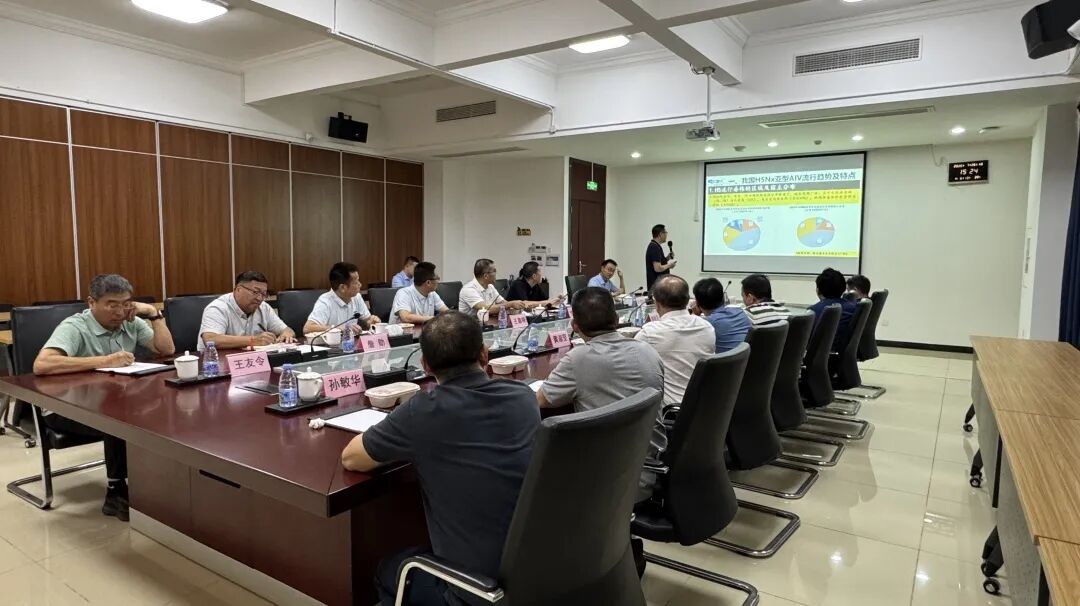
Dr. Ye Hejia, Deputy Dean of the SCBM Research Institute, presented a special report on the epidemiological characteristics of Highly Pathogenic Avian Influenza (HPAI) and advances in vaccine prevention and control technology. The report systematically analyzed recent domestic avian influenza virus variations and regional epidemic dynamics. Combined with frontline clinical surveillance data, it offered a professional interpretation of the current challenges in HPAI control. Furthermore, it shared precise immunization strategies tailored to currently circulating strains, providing detailed data support and practical references for large-scale poultry farms to enhance their comprehensive HPAI prevention and control plans.
▌ Establishing a Comprehensive Surveillance System: Proactive Early Warning for Emerging Poultry Diseases
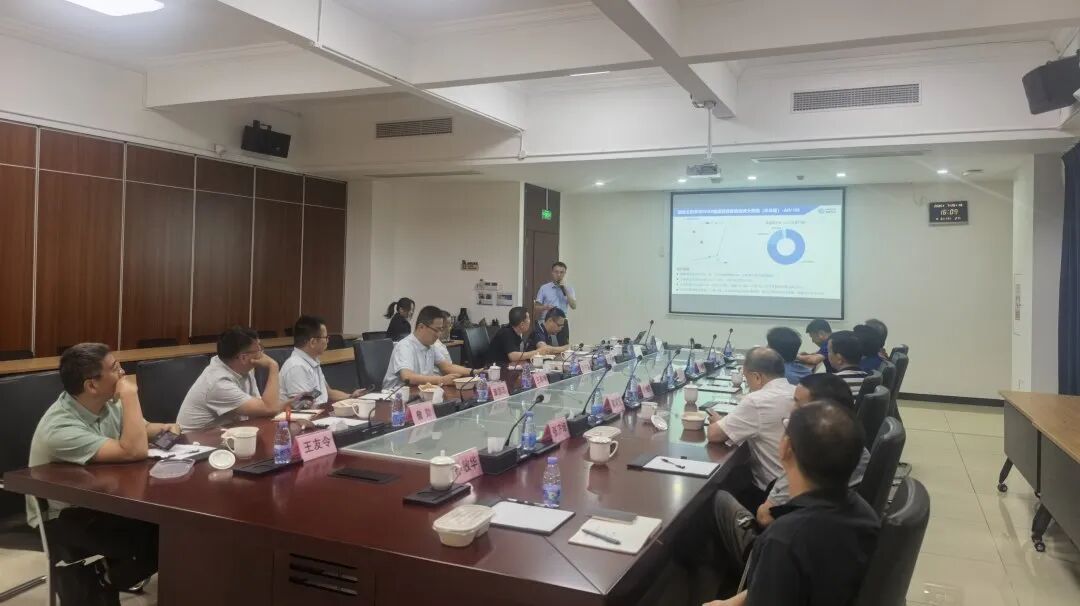
SCBM's Technical Director, Mr. Hao Jianyong, shared insights on the Ringpu Biotechnology service system and the epidemic dynamics of yellow-feathered broiler diseases. He provided a detailed introduction to Ringpu Biotechnology's six major value-driven service systems, which are customer-centric and focus on disease research as a core component. These systems include a 1+N customized product process and multi-dimensional technical services. Concurrently, he delivered a thorough overview of current major epidemic diseases affecting yellow-feathered broilers, such as respiratory diseases (IBV, H9), immunosuppressive diseases (AL, MD, CIA), and leg problems (REO, MS, Staphylococcus, RA), and proposed Ringpu Biotechnology's differentiated comprehensive prevention and control solutions.
▌ Converging Expertise: Jointly Advancing Industry-Wide Epidemic Prevention Standards
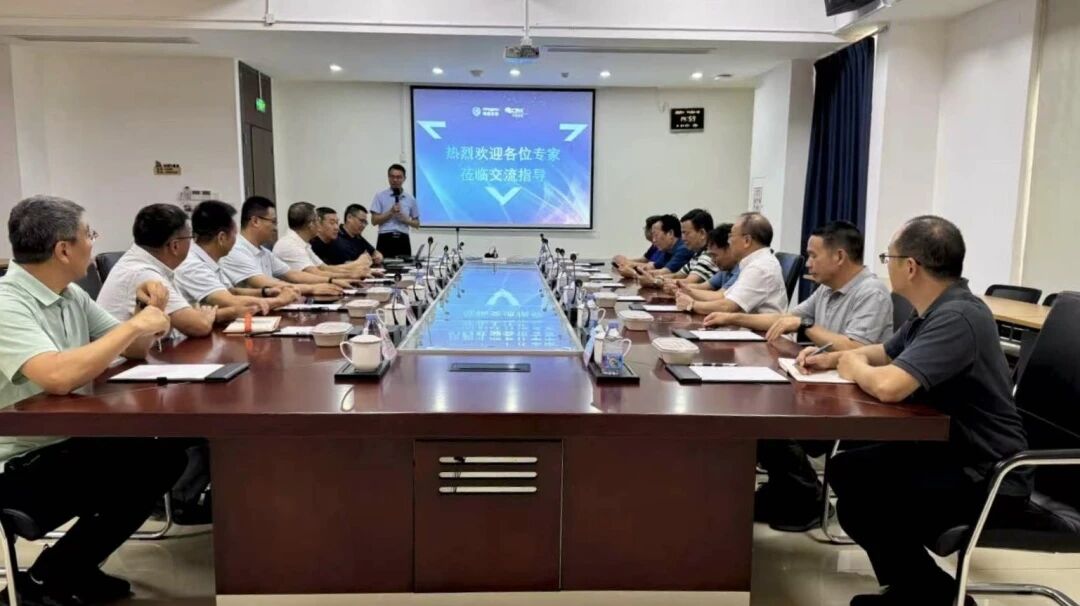
The seminar's discussion session was marked by a lively atmosphere of exchange. Professor Zhang Jipei analyzed the root causes of unexplained egg production drops in breeding ducks and necrotizing enteritis triggered by inactivated vaccine administration in breeding geese, proposing targeted solutions. Professor Huang Shujian presented a comprehensive prevention and control plan addressing recent abnormal egg production drops and infectious bronchitis in breeding chickens. Professor Cao Weisheng offered specific prevention and control strategies for immunosuppressive diseases in yellow-feathered broilers. Participating experts actively contributed their views, thoroughly exchanging opinions on critical issues such as existing challenges in livestock and poultry disease control, the direction of novel vaccine R&D, and the optimization of comprehensive epidemic prevention systems on farms, putting forward numerous constructive and actionable recommendations.
Over the years, SCBM has consistently adhered to collaborative development involving industry, academia, and research. It has regularly established platforms for expert exchange and discussion, incorporating the wisdom of top industry experts to connect the entire chain of "disease surveillance – product development – market application."
The successful convening of this semi-annual expert technical seminar not only clearly defined the core challenges and cutting-edge technological directions in current poultry disease prevention and control but also further deepened the cooperative ties between the company and industry experts.
In the future, SCBM will continue to leverage its strengths as a scientific research platform, delve deeper into technological innovation for the prevention and control of major poultry diseases, and give back to the industry with superior veterinary biologics. Together with industry experts and fellow breeding professionals, SCBM is committed to building a robust defense against livestock and poultry diseases, contributing to the healthy, sustainable, and high-quality development of the animal husbandry sector.